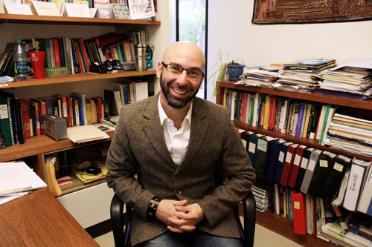
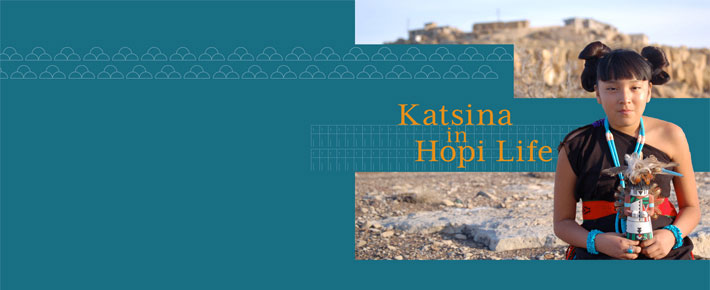
As a museum professional with a background in Anthropology, I am attuned to the critically important issue of incorporating more community voices into museum interpretation. One of the main challenges for most museums is how to interpret culture. Too often the stories in museums were told by curators, collectors and experts not of the cultural groups being represented. The result is a skewed version of the cultural whole and is portrayed to the typical museum visitor in a static manner, a “snap shot in time.” What is not taken into account is the deep cultural significance of objects on display and in some instances, sensitive objects have been displayed much to the chagrin of the associated culture. This is institutional colonialism in its purest form. To compound the issue, few museums consulted with or showed contemporary issues of cultural groups that still exist. Instead, the focus centered on the cultural groups romanticized past which conveyed the same stereotypes they have worked so hard to refute. My experience with “Community Co-curation” involved community members in every aspect of the exhibits development process from conceptualization to fabrication. As a result, the community is fully invested in the outcome of the project, which leads to more credible interpretation. It also results in community empowerment, giving a strong voice to cultural groups who were once marginalized by museum representation. Community Co-curation is not a new methodology but I believe it is gaining significant traction! Below is a list of institutions and individuals who I believe are doing an excellent job in area. Please take a look at their websites to see how they incorporate communities in their work! |
|
|
|